The pale kid from Greenwich Village who turned a squint and a shrug into fifty years of "You talkin' to me?"
- Subject
- Robert De Niro
- Filed by
- Trumpery Times Desk, Aug 1, 2025
- Reading time
- 30 min
- Believability
- Talking to you

The Art of Change: Actor, Director, Producer
There are those for whom the name Robert De Niro is not a household word, in which case one would be hard put to do anything but rise from the couch and assure Netflix that you are indeed still watching. But for most, his is a name that has taken on adjectival qualities; “I could use some good old De Niro tonight,” will be said with full understanding of what is meant.
De Niro was born 17 August 1943, one might as well have called him Professor Acting at the font. He does not content himself with playing a part, he puts down roots in the character, so to speak, and takes over the mail. While the rest of us are busy with our CVs, De Niro has been amassing acting accolades since the days of corded telephones.
Hollywood royalty he became in 1974 with The Godfather Part II, when an Oscar for the young Vito Corleone was all but a coronation. One could compare it to being named CEO on your very first day. With Taxi Driver in 1976 came “You talkin’ to me?”, now among the best known lines ever put to film. Raging Bull (1980) found him as Jake LaMotta in a way that earned the Best Actor Oscar and no doubt had him shunning his reflection for a month or two.
Not that his supporting work is to be sneezed at. You have such heavyweight cinema as Heat, Goodfellas, Casino and The Deer Hunter. To choose a favourite is rather like being restricted to a single pizza topping with the whole menu there to chide you for it.
Then again, De Niro’s career is more than a roll call of fine movies. It is a catalogue of people he has made his own to the point where telling them apart from Robert De Niro is something of an administrative exercise. Be he a mob boss or a boxer, a psychopath or a comedian, the man has shown over the decades that if a character is written, De Niro will put some life in him.
And in a way he has yet to be done with it after all this time.

Awards, Respect, and Never Sorry
Put aside the indecision over what to have for dinner and consider that Robert De Niro was in the process of putting his name in cinema history. There is no exaggeration in that statement, it is merely a fact.
Do some of the arithmetic on his greatness and one comes up with six films in the United States National Film Registry for being “culturally, historically or aesthetically significant.” You might compare it to having your family pictures on display at the Louvre, but De Niro has earned his place there.
Then there are the accolades, coming with a kind of mathematical certainty: AFI Life Achievement Award, the Kennedy Center Honors, from the Screen Actors Guild and so on. To put another trophy in De Niro’s hands would be superfluous at this juncture, not unlike inquiring of LeBron James if he knows a thing or two about basketball.
Celebrities and legends are not the same. De Niro does not do farewell tours or pander to nostalgia. Where you will find his peers in semi-retirement, he has been taking on arduous parts and turning in the sort of performance one expects from The Irishman.
It can be intimidating to watch him work. Dialogue is something he makes submit to him. There is an intent behind each syllable, a lingering look or gesture.
One could call him a legend but that is not enough. Legends are for the history books, De Niro has a way of rewriting them. He is the measure of all others even as Hollywood re-invents itself. In the end it is the distinction between fame and greatness; the former is in pursuit of attention, the latter elicits respect.

Baptized, Bohemian, and Bound for the Spotlight
One could say Robert Anthony De Niro did not so much make his entrance as put the world on notice. He was a legacy of art by virtue of what was in his veins, and when he came into it on July 17, 1943 in Manhattan’s Greenwich Village, it was with all the practicality of ink on paper. A product of his era to be sure, but also of the men and women who put their paintbrushes to it. His parents, Virginia Admiral and Robert De Niro Sr., were modernist painters whose private affairs were sufficiently torrid to have been the stuff of fifteen feature films.
The universe, in its wisdom, saw fit to put “major character development required” on his family tree for good measure. I would give it nine points for that. Or rather, it did.
A Literary Fairy Tale: How De Niro Began
Robert Jr.’s early years were not some rags-to-riches affair. His father had come out after two years of matrimony; they had met in an art class on the Lower East Side under Hans Hofmann in the most agreeable way. And so young Robert was made to live out a tale that started with ‘Once upon a time’ and was no idyllic American upbringing at all.
In the bohemian clime of Greenwich Village and over in Little Italy, the boy was given to a strange blend of fantasy and discontent. His father the experimental painter was there, if only to disapprove from time to time, and De Niro Sr. did not hesitate to put his foot down on the company his son kept. The white-faced “Bobby Milk” would run with a rough crowd in Little Italy and you can bet his father let out an exasperated sigh or two at the dinner table.
De Niro has said screenplays could be written about him. There was ideational turmoil enough with a mother vacillating between Presbyterianism and atheism and a father who left Catholicism behind on his eleventh birthday (the boy was twelve). His grandparents, being of a more devout mind, would have none of it and had him baptized despite his parents. That is a recipe for existential angst later on.
Then there was his education, an academic game of hopscotch. After a year at PS 41 where he put in an appearance as the Cowardly Lion in the Dramatic Workshop at 10, he cycled through a host of institutions with double-barrel surnames like Elisabeth Irwin and Rhodes Prep and the High School of Music & Art. None of them were to last. By sixteen he was done with algebra and the classroom. “If the average-looking fellows you see on TV can put food on the table as actors,” he figured, “I am no worse for wear.”
He was not one to dabble. De Niro threw himself at it, learning from the likes of Stella Adler and Lee Strasberg and imbibing Stanislavski’s precepts on stagecraft. All that schooling and hard street life put in place an art form he has yet to see equalled.
And from that splattered background and rebellious student days in his Latino quarter, the pale “Bobby Milk” of Little Italy became the icon we know as Robert De Niro, to be imitated and talked of still. An acting talent with a certain soulful selfishness and ephemerality about it. You could call his family history an exploitation film. Character-building in the truest sense.

1963–1973: Bobby Milk’s Resume Before Stardom
One would not call Robert De Niro’s ascent to the stars a fairy tale; it was more like an endurance test for the run of the mill. To get to where he is, movie royalty, he put in his time with parts so unmemorable you could be forgiven for not registering them at all. A perusal of his early credits is an exercise in experimental art: there is Encounter (1965), Three Rooms in Manhattan from the same year, Les Jeunes Loups (1968) and the like. One might as well consider these obscure offerings art installations than anything on the silver screen.
Then Greetings (1968) put an end to that. The Vietnam War satire made of him an optimist who dodged the draft and in doing so let the world see one of Brian De Palma’s finest discoveries. It was the start of a professional rapport built on creative adventurism. Not a masterpiece by any stretch, yet the way they handled the dubious source material in Greetings made for something of interest.
He was put before the camera as a New York film maker in Sam’s Song (1969) and in The Wedding Party (1969), a project Bruce Brown had put on the shelf after making it in 1963. When it was finally shown, critics were taken with it; “great fun” said Edward R. Murrow in The New York Times, and De Niro could have been quietly pleased with the long overdue notice.
Critical acclaim followed for his work in Roger Corman’s Bloody Mama (1970) as one of Ma Barker’s criminal sons, a “fine” performance if rather like diner fare. But in Hi, Mom! (1970), the Greetings sequel, he displayed his mettle. As a vet and film maker De Niro put on what Richard Brody would describe as “unhinged spontaneity”, or in other words some brilliant controlled chaos.
The ‘70s got off to a forgettable start with Jennifer on My Mind and the self evident The Gang That Couldn’t Shoot Straight. Bang the Drum Slowly of 1973 put a stop to such mediocrity. In the role of a baseball player coming to terms with Hodgkin’s disease he had the critics in awe with his emotional force. Variety thought it touching, the Hollywood Reporter was of the opinion he was among the most likeable of the young actors.
But it was Mean Streets that determined his future. Martin Scorsese put him in the shoes of the mercurial Johnny Boy Civello and in so doing forged a partnership to define their careers. Pauline Kael saw a wilder Dustin Hoffman in him and the New York Times found the part unique. From here it was but a matter of time before Taxi Driver and Raging Bull came along.
De Niro did not have a preordained or easy ride to the top, he took his chances and was prepared for whatever turned up. There is more to his legend than talent alone, a readiness to be unpredictable. Having come from the obscurity of independent film, he knows that at its core great art is a headlong leap into the beautiful chaos of a story.
1974-1980: Scorsese + De Niro = The Men Who Made Filmmaking Look Like a Hobby
There is Robert De Niro. One need only put the name out there to have a whole host of cinematic iconography come at you and put in mind how little we have made of our own sorry lives by way of the spectacular. An actor of his calibre can so efface himself in a part that what one is left with is no performance at all but something of a reality, put there by dint of determination and a certain ruthlessness that is alarming to witness. You are not so much watching a De Niro movie as being presented with a case study of the psyche done with verisimilitude.
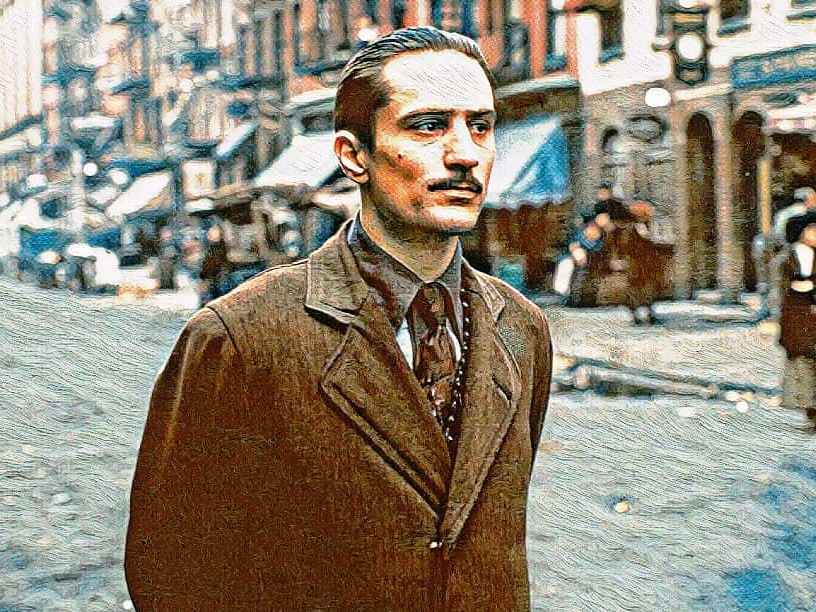
Consider The Godfather Part II, and Vito Corleone in his youth. De Niro did not make an entry into Coppola’s world of Sicilian crime, he was its very pulse. It was not always meant to be; he had been screen-tested for Michael Corleone in the original Godfather before being consigned to The Gang That Couldn’t Shoot Straight. Hardly the sort of trajectory to be pleased with. Yet humiliation seems to have whetted his appetite. When Coppola put him to it, De Niro went about it in earnest: he put in the time to learn Sicilian and project a cold-steel authority and was duly rewarded with an Oscar.
Then there is the trivia: both he and Marlon Brando have an Academy Award for their turn as Vito Corleone. A film history fact that would put a smile on any mobster, stone-faced or otherwise.
The audience wanted more than that though. Taxi Driver put them in post-Vietnam New York under the neon while a man makes his slow descent into madness. Travis Bickle is not some dysfunctional mirror of the city in despair but a character of the purest kind. With the weight loss and the gun work and that do-it-yourself “You talkin’ to me?” monologue, De Niro puts on an act that is painful in its realism and has been lauded by the critics. Let Travis go at his mirror and it is plain to see: De Niro does not lay bare a character’s psychology, he builds it, every tortured brick of it.
Raging Bull in 1980 was another matter. Jake LaMotta was an obsession, a rage and a testament to what an actor will put his body through. De Niro put on 60 pounds in the manner of Brando and gave scenes of such bestiality as to draw a wince, for which he got a third award. There is a moment of pitiful desperation in LaMotta’s fury that takes the breath away; it is hard to find a performance that better prefigures the end of human fallibility.
He was not going to be the poster boy for the gritty antihero of the ’70s and early ’80s and call it a day. In The Deer Hunter he displayed range, leaving the viewer with an unease over the ravages of Vietnam on the human psyche thanks to the emotional depth he put into the role. Where Bickle was anarchy, Michael in the Deer Hunter was a quiet strength against trauma. An Oscar nod was inevitable.
Should one get the impression of nothing but gangsters and tragedy, New York, New York (1977) is a reminder. De Niro saw fit to learn the saxophone for it. While the critics were at odds as to whether the film was a masterpiece or a flop, De Niro put in the hours to make his performance as perfect as could be.
In the end, De Niro’s work is less a series of acts than an object lesson in total commitment. He is not acting when he is a boxer or a broken man staring into the void; he is living those men for long enough to leave us agitated well after we have exited the theatre. His legacy is simply Robert De Niro, who does not so much headline a film as make you question and feel. He has imprinted himself on the collective unconscious and the movies, this man from a crew that couldn’t shoot straight.
1981 – 1991: Robert De Niro in the ’80s and ’90s: Redefining the Hollywood Star
There was a time in the ’80s and ’90s when De Niro was more than an actor, he was the one writing the rules for a Hollywood star. Where his peers were content to be what they were, De Niro would put on a role with the same ease as his best Italian-cut suit and in doing so probe the limits of machismo, leaving his own brand of swagger in his wake.
Take the part he made in “True Confessions” (1981), an odyssey of sorts for a priest caught up in a family crisis while he and the detective brother put a murder to rights. The New York Times’ Vincent Canby went so far as to call it “a single performance” given how complete the double casting with Robert Duvall was. Or consider Rupert Pupkin, the would-be comedian in 1982’s “The King of Comedy” whom De Niro had us see stumble and stagger. Box office wise it was a failure, $2.5 million off an $19 million outlay, but critics saw the artistry in it.
He was redefined by the epic crime drama “Once Upon a Time in America” in 1984. Producers had their way with the U.S. version, mauling the multileveled narrative and American critics had none of it; at Cannes they gave him 15 minutes of standing ovation. A half-hearted foray into the rom-com with Meryl Streep in “Falling in Love” (1984) was too mannered and passed over. Then there was the oddity of Brazil (1985), a dystopian fantasy that would first put on a show of spectacularly absurd visuals before you realised you were in a bureaucratic hellscape of misery.
In “The Mission” (1986) he was a missionary who had been a mercenary. The film took home an Oscar for its cinematography if not for his turn as the Jesuit, which left some critics wanting. He put in an appearance as Al Capone in “The Untouchables” (1987) and though the performance was called shoddy, the legend of the baseball bat scene was enough to put it in the history books. “Midnight Run” in 1988 was a welcome change to drama with a comedic edge, the sort of manhunting and snappy repartee that won over both the critics and the public.
Not every venture was a total success, as “We’re No Angels” (1989) would attest, yet the decade was put to bed with “Jacknife”, a Vietnam piece where he displayed an unfocused emotional range without much inspiration.
By the 1990s De Niro was the master of mind games and mobs. He set the tone for the gangster film with a classically menacing James Conway in “Goodfellas” (1990) and in “Awakenings” (1990) one found his portrayal of a man roused from catatonia to be as compelling as it was chilling. As Max Cady in “Cape Fear” (1991) he was tattooed peril with a drawl to match and an animal about him; audiences were drawn to the frightful beast and the film put $182 million in the bank.
De Niro in this period was not an actor in any narrow definition of the word, he was genre defying. There was no method to his comedies or his love scenes or the horrors of his dystopias. Success was not assured and one could make an argument for the appeal of his failures as well. But then again, De Niro did not compromise. He constructed his roles rather than act them and in the process has made a case for being the greatest of actors.

1992–1997: A Bronx Tale to Casino: De Niro’s Defining ’90s Moments
What a decade the ’90s were. You had your scrunchies and flannels, not to mention the whole dial-up conundrum. And there was Robert De Niro in the mix of it all. The cinema icon had put his mobber past and wisecracking bro comedies behind him for such things as video game development? One could only shrug. It was an era for eyebrow-raising ensembles and the occasional gamble, but also for the kind of unflappable brilliance that is De Niro’s alone.
1992
Mistress was how De Niro opened the year, a drama-comedy of screenwriters. “Urbane and coherent,” the critics would have it, their way of saying it was fine if you can’t find any passion in it. Night and the City followed with De Niro once more putting on the act of a bumbling lawyer in want of stardom. Not awful by any stretch, yet the critics did not make much of it. A review put it most savagely: “Remember when this man was indomitable?”
He did direct Thunderheart, a crime drama of some merit with its probing of Native American affairs, but one does not expect directors to be self-congratulatory about such worthy causes.
1993
The twinkle returned to his eye with Mad Dog/Betrayed. There was a certain cringe to the bromance he struck up with Bill Murray, or the sight of them fumbling at friendship while Uma made an entrance to have her way. But the year’s heavyweight was This Boy’s Life. As a step-father to young Leo DiCaprio, De Niro’s antipathy was palpable, a subtle and chilling thing. He was not done though; his first time in the director’s chair was for A Bronx Tale, a dark affair of mobster hardness and father-son neurosis. It has its plodding moments, I will say, but the critics let it slide. For one so new to the camera, decent work.
1994
Then there was Mary Shelley’s Frankenstein. Good lord. The remake went from gothic melodrama to camp in the blink of an eye. But as for De Niro’s laconic approach to the tortured monster, you cannot fault him. He would brood and growl and turn it into another payday.
1995
De Niro at his peak. With Casino he and Martin Scorsese put on a show of vault-raiding and Sharon Stone’s hair-raising talent, all in very flashy suits. Roger Ebert called it “confident”, which is Ebert for “dead-on perfect”. Heat was the other offering, a crime-thriller pitting De Niro in a one-on-one with Al Pacino. What transpired in that coffee shop is now part of cinematic lore between two titans. Back-to-back classics and De Niro was back where he belonged.
1996
An interesting change of pace. To his fans he was a bit of a wild baseball fan. Memorable, no. Sleepers found him as a tormented priest bent on violent retribution, Marvin’s Room had him tugging heartstrings like a doctor. Then again, he put together 9: The Last Resort, an offbeat video game. De Niro and musical instruments that talk? An experimental phase, obviously.
1997
To his credit, De Niro put the decade to bed in fine style. In Cop Land he gave a restrained performance to allow Sylvester Stallone his moment. Wag the Dog was a scathing political farce with Dustin Hoffman, one of the more colourful films of the year. Tarantino put him in Jackie Brown as a criminal of sorts, a study in understated comedy.
Never a Dull Moment
Tumultuous is the word for De Niro’s ’90s, full of big plans and yet he was everywhere. Even in his misfires (Frankenstein), he applied himself without reserve. Whether the part was a creature-man or a mob boss he brought the intensity and nuance. Some are content to tell a good story, others make a video game. De Niro did both. Bomb or hit, they all add up to why he is still regarded as one of the most successful in Hollywood.
Top Ten De Niro Movies
Raging Bull
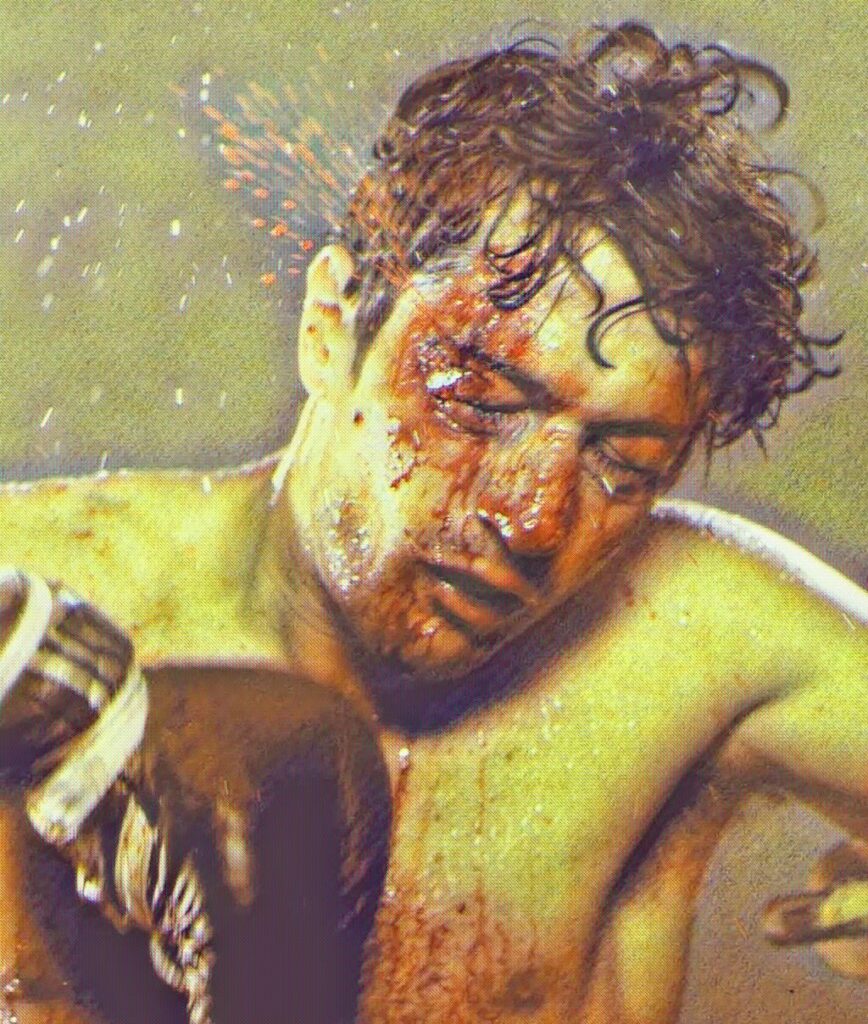
One does not say Robert De Niro is acting in Raging Bull; he has a mission. When you put De Niro’s Jake La Motta on the screen, it is like watching a man put his back into carrying a piano up an interminable flight of stairs to come upon a broken mirror in wait. There is such overwrought melodrama in the snarl, the beading of sweat and the bruised knuckle as to put the question to you: is De Niro La Motta? In truth, one can make the case that he is.
As for Martin Scorsese, he had no particular fondness for the sport of boxing. De Niro was the one who put him to the task of directing. What you get in the end is a black-and-white magnum opus from Scorsese replete with testosterone and self-destruction, born of desperation. Call it what you will but it is more than a film, a dark sort of indictment of the ugliest of human desires.
Schrader has written a script that sees La Motta seething with the kind of green-eyed envy and rage and insecurity as a sausage about to give way. He is a slob, a wrecking ball. Think of a train wreck and the station coming down in its wake; you are loath to look but can’t. A man on fire and blindfolded making short work of the shelves at the supermarket.
De Niro is there too, but this is film therapy rather than acting. The 60 pounds he put on for the part don’t go unnoted in a man who is as ravenous in consuming his feelings as he is in the ring, if a bloated, self-hating ex-powerhouse. Unsalvageable, he eventually comes apart. Laid bare, he is so raw he will have you feeling sorry for the abject wretch, or nearly. Then you remember he is a monster, and they can be lonely.
There is no comfort to be had in Raging Bull, nor any tidy resolution. It is indelicate and haunting. The movie will KO you with some vicious body blows of an emotional nature and you will be left to wonder which of your own fights are worth the scarring, not just La Motta’s. Raging Bull doesn’t so much represent life as impose it and whatever reaction you have to it.
Goodfellas

One can have respect for the angst of Eliza Dushku with her Walkman in True Lies, yet when it comes to putting Cream’s “Sunshine of Your Love” to use on screen, Goodfellas is without question superior. The riff in that film is not there to put some tension into the atmosphere; the song has the scene in its grip and is oozing menace. Put yourself in a squalid bar and you will find De Niro as Jimmy Conway in his element, coolly at ease while a wisp of cigarette smoke makes its way from his lips, appraising the room in the manner of a predator. Not a word out of him, nor does he so much as shift, but it is plain he is mulling over a mob goon he might have to put down. His eyes are doing the talking. You would call it De Niro being scary-mellow, more restraint than anything.
Jack Bruce, the bass player himself, was apt to say in derision: “I have my riff in the background and it is the scariest scene in the movie.” There are those who put together a Spotify playlist and then there are those who fashion a murder anthem. This is why it is legendary. Words are not how Jimmy Conway puts things across, his eyes do. All that rolled up smoke from his cigarette is less of an exhale than a death notice in reverse. It is the sort of thing most actors would only put in their dreams. Were suspense an Olympic event and Conway in the running, he would put the judges so on edge they would hand him two gold medals.
De Niro is no leading man here, but his brooding countenance is enough to make short work of the wide-eyed Henry Hill of Ray Liotta or Joe Pesci’s Tommy DeVito with his mad look. He is as imposing on the poster as a dirty ex on your Whatsapp, all grimy and impossible to ignore. Then there is the smile of Conway, a wild card of a smirk that will lure you into an alley on the prospect of a Dior sale. You will be disappointed to find a mob hit where the handbag should be.
In the end “Sunshine of Your Love” is Jimmy Conway’s theme, not something to be relegated to the background. Suave, lethal, smooth and sinister, it is him. Add to the mix a self-conscious eyebrow from De Niro and you have made an impression on every film buff. My apologies to True Lies, but I will always side with a brooding De Niro and his Walkman as he lays plans for murder.
Take Robert De Niro somewhere? Don’t bother. With or without a sale you are done for.
The Godfather II
Taxi Driver
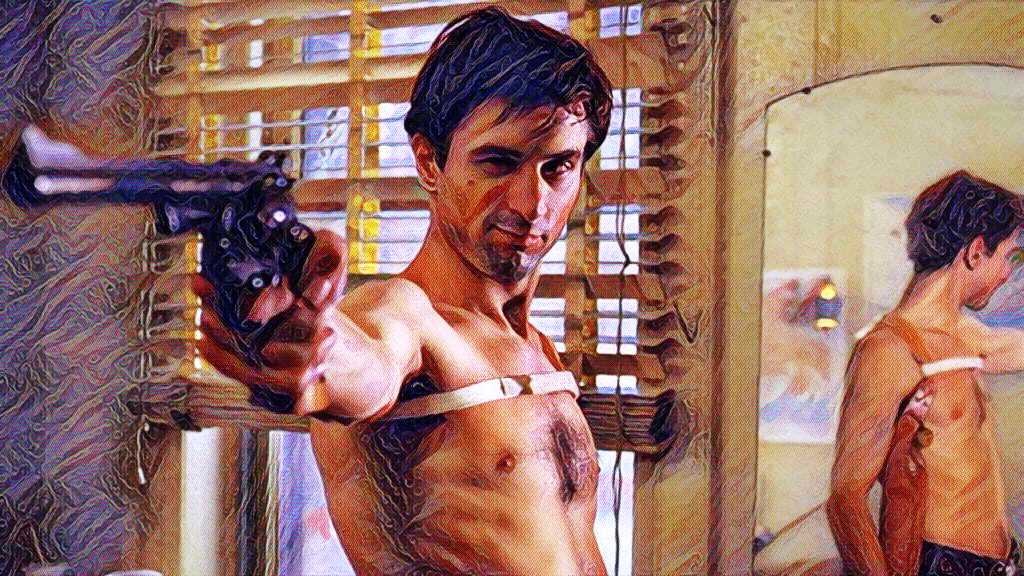
“You talkin’ to me?” Indelible. The sentence that, for reasons nobody can explain, made a man, who was sportin’ a mohawk and a code of ethics forged in a hotbed of insanity, a cultural touchstone. Of all Robert De Niro indelibles, this one stays off the pedestal, grumbling darkly unclear and menacingly unclear things. If this insane brooding intensity cauldron weren’t emanatin’ from De Niro, he might’ve been up against a dude who’d had pineapple pizza-type thoughts on the end of human society. But no, this is De Niro territory.
Bickle is not a cab driver, he is the cab driver. A guy wading through the sludge of 1970s New York, where the wind has a hint of stale regret and steaming hot soft pretzels. He doesn’t keep human beings on a backburner in disdain; he’s a pressure cooker, clanging top onto rim. And when he blows? Bring on the anarchy, peppered with the surprise flourish of an awkwardly honest mohawk.
De Niro was not satisfied to act in Taxi Driver. He immersed himself, plunged head-first, into Bickle’s warped mind, actually drove a New York taxi back and forth to get a feel, and delivered a performance which is half tragic, half scary. He is a man crumbling under stress caused by his own contradictions. Pathetic one moment, more threatening than your phone battery dropping into single digits the next. And just when you start clinging to the hope that he might somehow be saved, he reminds you why entering his world in the first place was probably a terrible idea. At its most fundamental, Taxi Driver isn’t merely another Scorsese-De Niro milestone; it’s the template for the modern cinematic antihero. Films like Joker owe it a profound genetic debt. Travis Bickle’s combination of warped self-righteousness, tortured isolation, and stomach-churning unpredictability raised the benchmark for damaged men who mistake their own misery for a moral calling. And somewhere, teenagers are still standing in front of mirrors, practising that scene. If that isn’t a calling card for lasting cultural impact, I don’t know what is.
The King Of Comedy
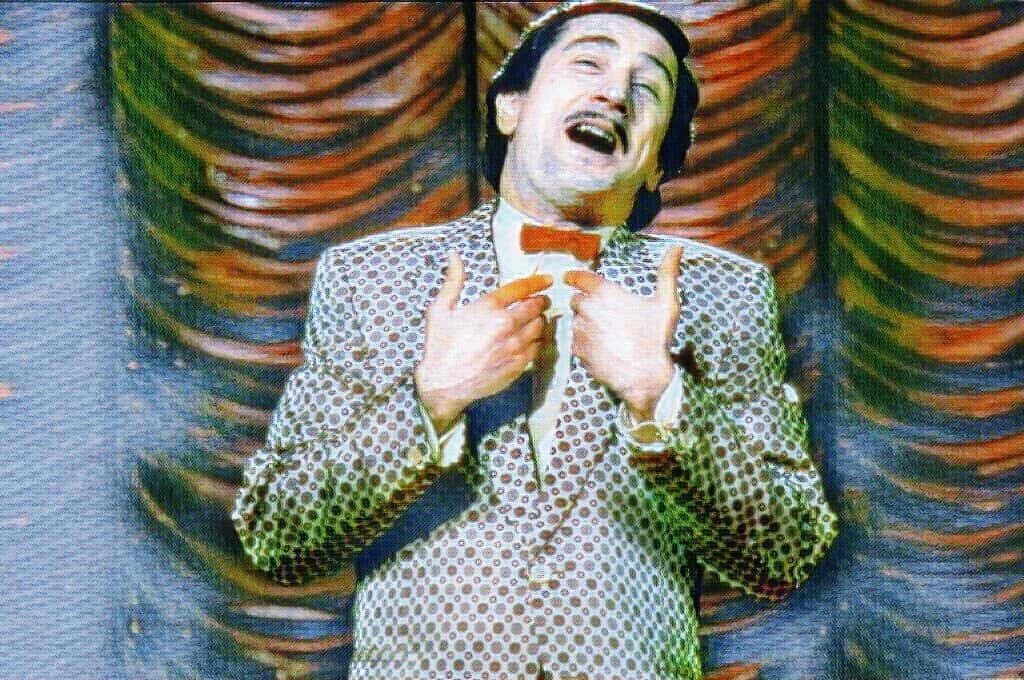
By the late ’70s and early ’80s, Robert De Niro was the reigning monarch of hard, tortured acting. He’d already blown critics away with powerhouse performances in Taxi Driver, The Deer Hunter, and Raging Bull. De Niro was dark, intense, unapologetically Method at this point. So when someone came along in 1982 and suggested that his next leading role should be a comedy about a young stand-up wannabe named Rupert Pupkin – yes, Rupert Pupkin – he might reasonably have expected to be laughed out of the room. De Niro doing comedy? Ha!
Enter The King of Comedy. On paper, it sounded ridiculous: De Niro as a delusional wannabe comic so desperate for his big break that he kidnaps a talk-show host. It sounds like a parody of a movie rather than an actual movie. But looking back, there wasn’t much to laugh about. De Niro turned Rupert Pupkin into a gloriously awkward, dangerously driven man who made audiences wince right along with him. Picture the guy at a party who corners you and launches into a ten-minute speech about his “big moment,” except instead of eventually taking the hint, he escalates into a chillingly desperate prank call. That’s Pupkin—the granddaddy of cringe comedy.
The problem with The King of Comedy is that, well, it isn’t really funny. It’s a vicious little satire of celebrity obsession, arriving years before Instagram celebrities and TikTok influencers made the pursuit of fame a full-time occupation. Scorsese held up the culture’s desperate craving for celebrity and showed us what stared back. It wasn’t pretty. Pupkin isn’t merely a character; he’s a warning label dressed in awkward mannerisms and a cheap suit.
Flash forward to today, and The King of Comedy seems, well,more timely than ever. Its impact endures through present day dark comedies, led by Joker. That bitter fervor? That one man gone insane? De Niro pioneered it. Todd Phillips even paid homage to Pupkin’s name, Joker.
Rupert Pupkin is, rather remarkably, current as of 2023. Swap out his cassette tapes and scrapbook for viral videos and around-the-clock social media, and you have your modern-day fame monsters. The situations are different, but the hunger Pupkin represented persists today.
De Niro’s genius is making nonperforming performances cannot-forget performances. From raw anger as Jake LaMotta to manic motivation as Rupert Pupkin, De Niro doesn’t perform; he redreams them as icons. The King of Comedy is, appropriately, a misunderstood detour on De Niro’s career, and a dark comedy masterpiece – perceptual, caustic, and indelible – next.
Because occasionally the punchline isn’t funny. It’s because folks will strain so hard just to be heard. And Rupert Pupkin predicted that punchline years ahead of the rest of us.
Heat
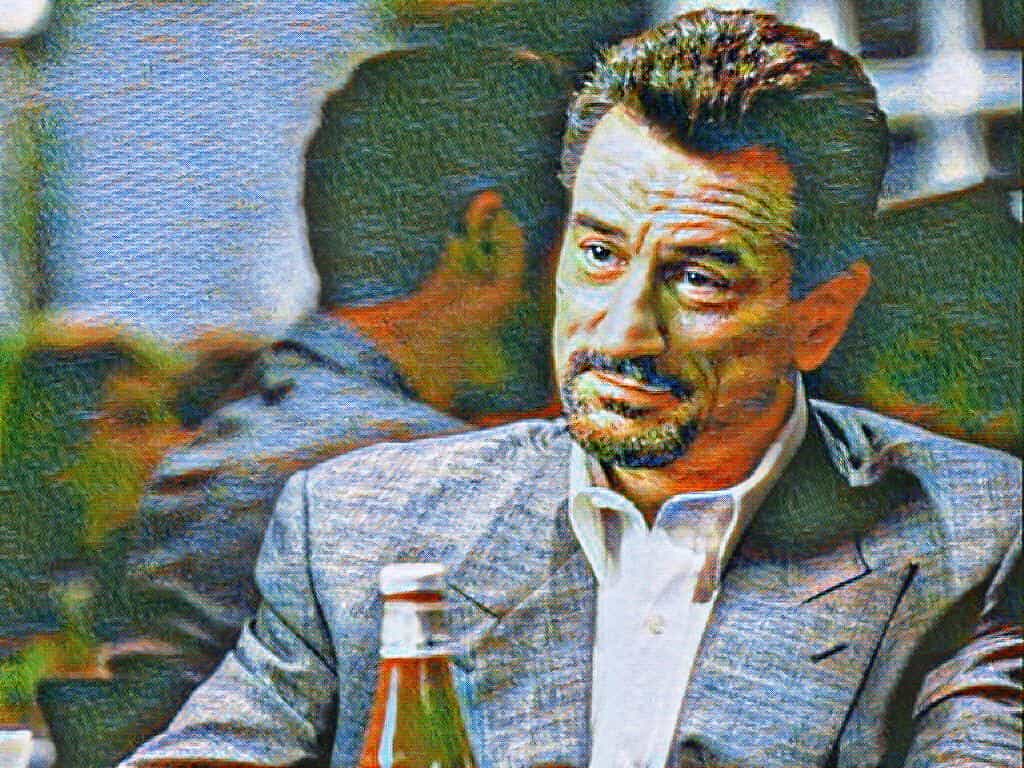
On paper, Neil McCauley is the one who’d be left off the dinner invitation list. When he’s not carefully casing heists more complex than Swiss clocks, he’s reading page-turners such as Stress Fractures in Titanium. And he’s got algae trivia down his sleeve. “You know about the iridescent algae up in Fuji? They come out once a year,” he schools Eady, his purported love interest. Yeah, man, he won someone over with algae trivia.
De Niro strides in wearing spotless Bally loafers and this human reference book of firearms, nautical trivia, and metal stress-relief techniques is immediately the coolest man in the room. Every deliberate step carries such brooding darkness that you can almost imagine GQ running a “Criminal Chic” cover story. He is stoic, controlled, and utterly deliberate, yet somehow makes being an obsessive heist plotter look sexy.
But where is the surprise? The film’s emotional foundations are granite. Neil has no cracks, no fissures, no visible weaknesses. Between nihilistic pep talks and those long, hard stares alongside Eady, however, love becomes his undoing. It isn’t the police surveillance or even his own “don’t get attached” rule. It’s vulnerability. Neil cracks emotionally, and that’s all it takes to bring the whole construction down. The man opens his own safe, and inside he finds not gold or gemstones, but brief glimpses of the soul he’s spent his life keeping hidden.
And now they’re releasing Heat 2. Someone is going to have to recreate De Niro’s tormented take on McCauley. But recasting that role? That’s not a job. That’s climbing Everest in a pair of loafers.
Midnight Run
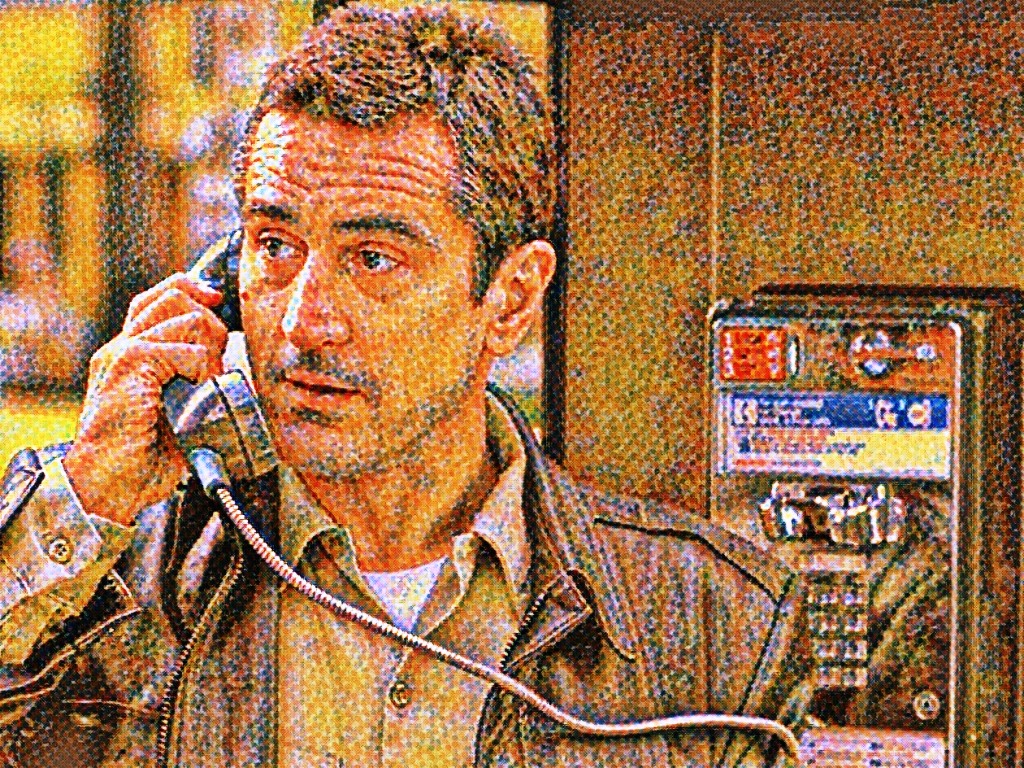
What Robert De Niro actually requires is not another award on his shelf titled “Cinematic Master.” And here he is, out for a midnight jaunt, not being enthusiastically and without hesitation acclaimed as one of his best efforts – it’s a cinematic injustice. Rather than his dark intensity, or his Italian-American machismo, De Niro takes on Jack Walsh, a bounty hunter who has the sardonic charm of rush-hour traffic – and he is delightful.
Between his gruff-around-the-edges vet in Jacknife and his smooth-talking gangster in The Untouchables, De Niro’s Midnight Run flip is utterly out of character and side-splittingly funny. Walsh is cranky, always exasperated, and yet he’s so lovable of a lug that nobody is prepared. Put him with Charles Grodin’s fumbling accountant, Jonathan “The Duke” Mardukas, who did millions in Mafia embezzlement (and apologizes to inanimate objects), and you’ve got a mismatched comedy that, against all odds, does work.
This is no other buddy pic – this is buddy movie perfection. The banter between De Niro and Grodin sizzles as if they’ve been trading bon mots for decades. Their one-liners bounce off one another, ping-pong-style, and we can’t help but laugh along with them. One moment, Walsh can’t tolerate one more minute of Mardukas’ wisecracking good guy-ness; soon, they’re conspiring together to evade hitmen, mafiosi, and the FBI – why settle for a single boogeyman when, uh, you can have three?
Even Grodin put it best: “It’s basically a guy pursuing a dude, then a third guy pursuing these two dudes, then a whole new set of dudes pursuing all of them. It gets crazy.” He isn’t kidding.
And, oh yeah, this is a perfectly 80s movie. So much so that it’s all hi-rise jeans to infuriating payphones. But under all the fire and nutty cross-country manhunts, a heart exists. Midnight Run works because, under all the fire and nutty cross-country manhunts, it offers two imperfect men, brought together by muddied fate, who nonetheless make each other a better man.
If you haven’t watched it yet, what are you waiting for? Put it high on your list, turn up the volume, and be treated to one stonkingly funny performance by De Niro. That De Niro, the hard-boiled, Oscar-winning hard man who dishes out sardonic one-liners by the dozen. Believe me, buddy movies will never be the same again.
Mean Streets
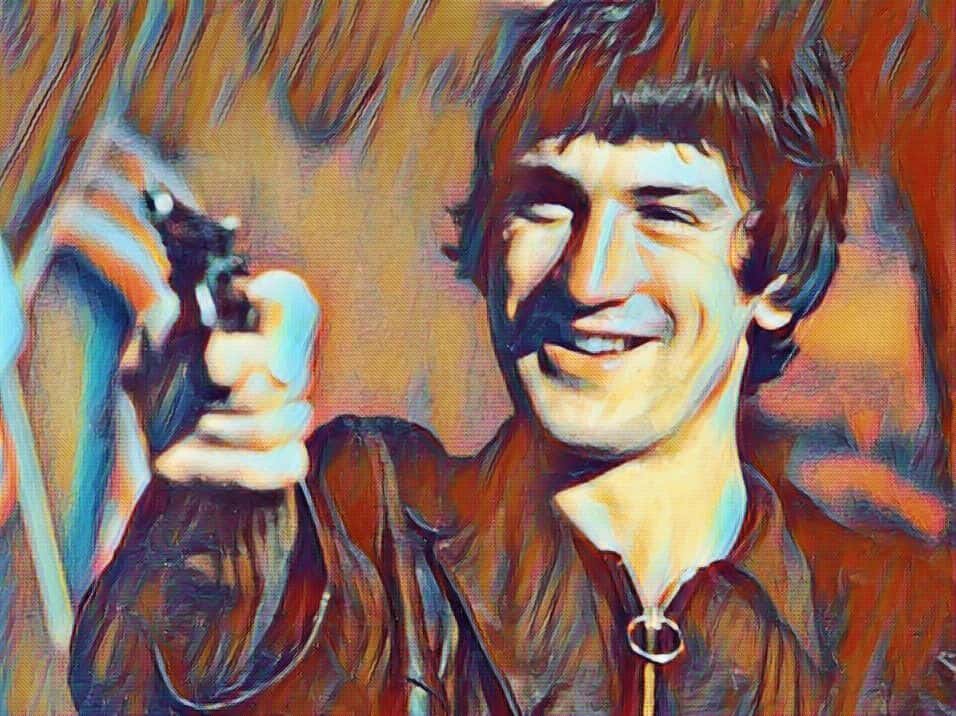
Mean Streets was not where De Niro’s career started. The credit has to go to his very first acting stint as “Client At The Diner” in a film called Three Rooms Manhattan, 1963 – a credit that could almost have carried the label: “Future Acting Great.” Loitering around greasy eggs and col coffee was obviously step one on the long road to fame. But Mean Streets? That’s when De Niro did not just enter – rather, he kicked the door wide open, with a smile on his face, and said, “Get ready for trouble.”
And oh, how Scorsese brought Johnny Boy out. Subtlety? Don’t make me laugh. De Niro, however, walks in under a hail of red neon lights like Lucifer’s enfant terrible, into a sleazy bar shepherded by two women – like his wild-eyed elan wasn’t already enough. The Rolling Stones’ “Jumpin’ Jack Flash” booms through the air, each riff screaming, “Trouble? Yeah, this guy.” Mick Jagger might have been the day’s hype man, but Johnny Boy was the showman. Scorsese didn’t just shoot the scene; he made the scene a slow-motion waltz of raw rebellion.
And poor old Harvey Keitel’s Charlie. The chap could have proclaimed, “Ah, joy, here’s chaos,” because Johnny Boy tore his way through Charlie’s life like a party-loving wrecking ball. And then, man and boy, we’re hooked. Hooked on the tension, the charisma, and the trouble that De Niro emits.
De Niro is not Johnny Boy, he is Johnny Boy. Mismatched clothing (red bomber and discordant patterned shirt), superior self-assurance, and the smirk that flickers across his face that says, “Spoiled your evening, and I’ll have a good time.” A character study via clothes, posture, and swagger. And wasn’t that De Niro, the classic? He’s blown through scenes for decades, a balance of menace and suave, suspense and tension, every moment. As a thug, taxi driver, or bedlam incarnate, he always shatters the screen. And isn’t that, really, why no one can take their eyes off him?
Casino

Did De Niro ever perform any better? Possibly, possibly not. But did he ever appear any more like a fashion fever dream come to life? No. Behold Casino’s Ace Rothstein: the Las Vegas mob boss who makes all other mobsters seem like they assembled his wardrobe in the dark. This is a guy who casually opens his closet door sporting a coral-colored jacket so blindingly loud it’s visible from space. By the time he’s walking across the room in the lemon-yellow suit, just because he’s head over heels in love with the trainwreck that is Ginger (played with perfection by Sharon Stone), you know that this isn’t merely a mobster – this is a style icon.
Ace doesn’t simply dress, he drapes himself in finery. And he accomplishes it successfully. Someone compiled, on a poster, mind you, 45 of his ensemble’s verifying his lineage of sartorial insanity. But don’t think it’s all Vegas posturing. Every seam is a creation from Ace’s imagination. Control-mad? You bet. The masterful moment when De Niro emerges from behind his desk, coat smooth, only to be showing bare legs underneath because wrinkled pants are, no surprise, his hill to die on. Compulsive genius? That’s not?
Ace is a half-gangster, half-tropical flamingo sashaying up and down the Vegas strip in hot pinks and lime green. Of course, he is conscious that he is stunning, but he is clueless about his arrogance being his ruin. His clothes yell, I’ve got this! as his world goes rapidly out of control. And when crash-landing is a foregone conclusion? Crushingly, but ineffably chic.
You can’t get out of a single nanosecond of destruction from Ace, and he’s a heartbreak that you weren’t aware that you sign up for in the first place. A lesson learned through sequins, flamingo fashion, and fabric roar. Bravo, Mr. Rothstein. Bravo.
Cape Fear
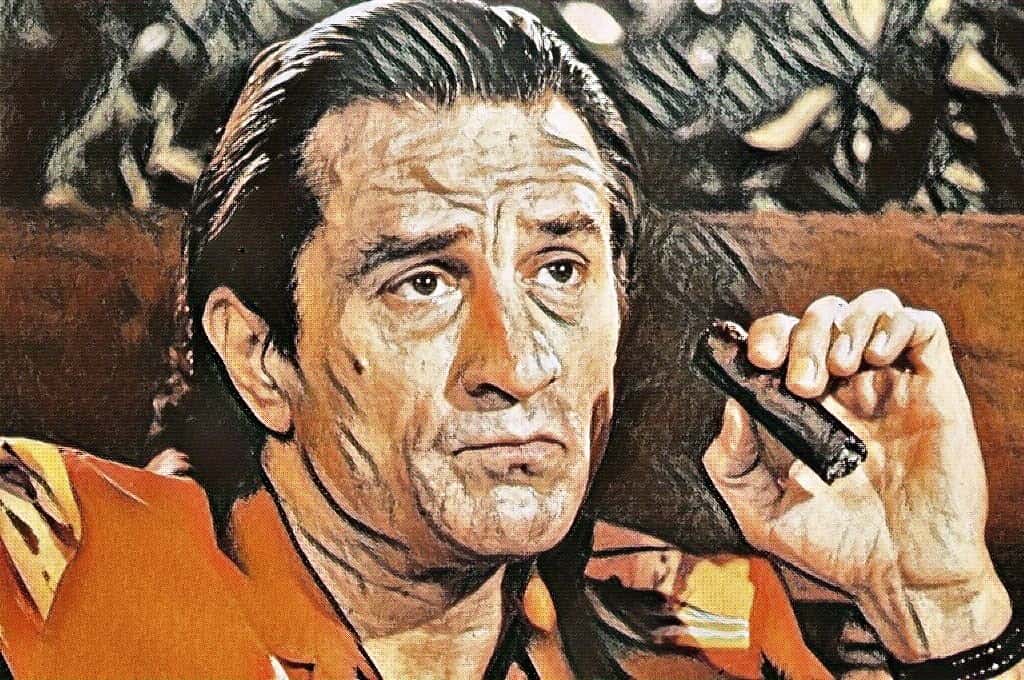
What’s a greater villainous flourish than holding up a humongous cigar, fogging the theatre in a haze-filled hellscape, and laughing maniacally? If Max Cady went no further than that, he’d already be the sort of man you’d cross the street to avoid, even if you were already on the other side of it. But no, Max isn’t content merely to ruin your evening at the pictures with his idea of “smoky atmosphere.” He’s a murderous, violent nutcase on a holy mission to torment the Bowden family because dear old daddy, Sam Bowden (Nick Nolte), had the temerity to get in his way. Nothing says “let it go” quite like a decade-long revenge campaign.
And for goodness’ sake, Robert De Niro is clearly having the time of his life playing the swaggering madman. The moment Cady walks out of prison beneath a thunderously darkened sky, sporting dodgy prison tattoos and absolutely no intention of dressing sensibly, you know subtlety has left the building. Scorsese turns the gothic dial up to 11, because apparently ordinary menace simply wasn’t going to cut it. Dark lighting, theatrical posturing, grotesque violence—the entire production practically announces itself with a fog machine.
Yes, Max Cady’s broad black-and-white brushstrokes verge on caricature, but De Niro? He milks every last drop of it, playing the part as though he’s been waiting his entire career for permission to become completely unhinged. Half the time, you expect Max to cap his killing spree by stumbling over a rake in Act Three.
There is no rake. But if there had been one, De Niro probably would have made that his Oscar moment too.